Who the Lead Plaintiff Is and Why the Role Exists
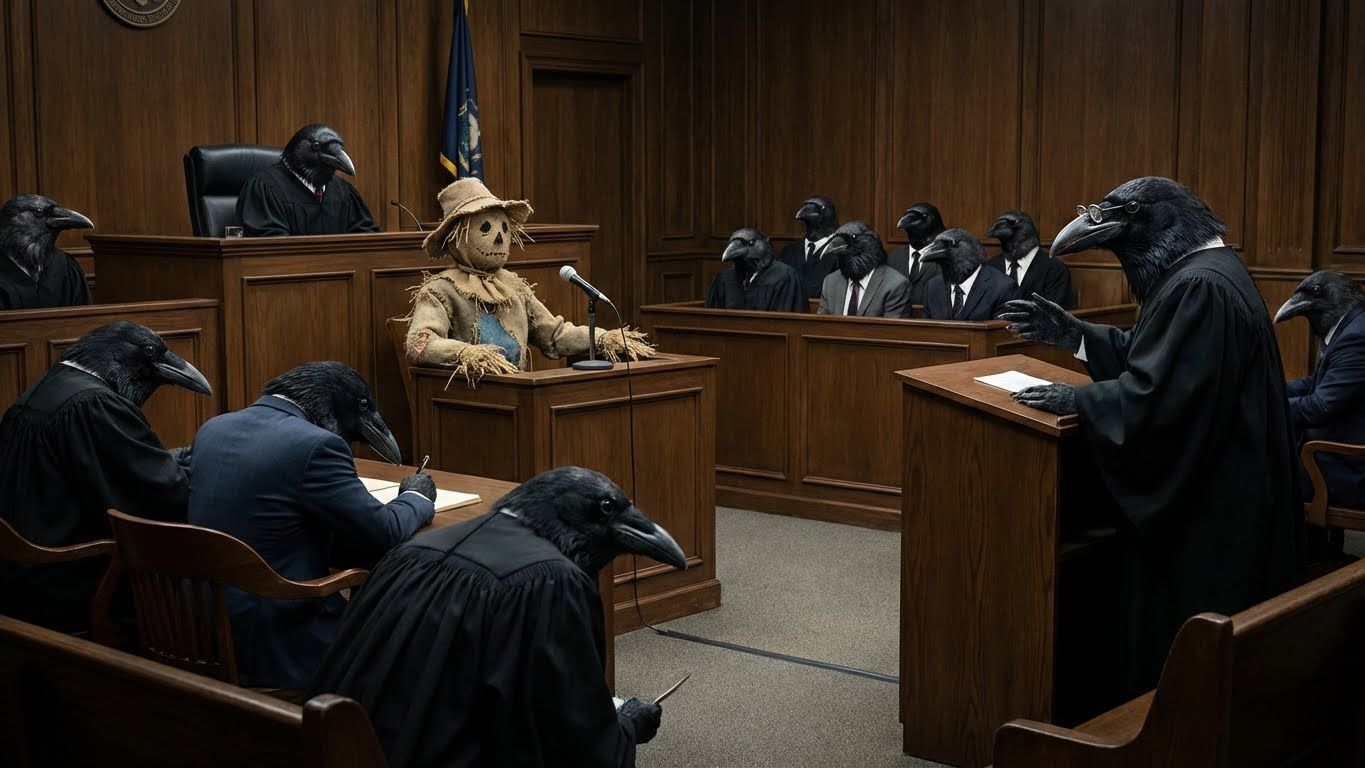
When alleged securities fraud hits, the audience doesn’t get left heckling in the dark—they get a lead. That's where the story of a lead plaintiff starts.

Some deals look like a turnkey home at the open house, but after signing, you realize the basement is underwater. That’s Perrigo’s predicament. Learn more about the case.
Learn about securities lawsuits tied to your portfolio and recover money!
Some deals look like a turnkey home at the open house, but after signing, you realize the basement is underwater. That’s Perrigo’s predicament: a securities fraud class action alleges that when Perrigo bought Nestlé's infant formula business, the shiny sales pitch hid a rundown operation in need of serious repairs—much more than investors ever imagined.
In November 2022, Perrigo announced it would buy Nestlé's Gateway infant formula plant and Good Start brand for $170 million, boasting a $60 million investment to boost production. That $60 million was presented as a fix-it-all remodel, but the class action claims Perrigo glossed over years of neglect and hidden repair needs. The lawsuit says investors got a shiny sales pitch, not the real inspection report: remediation costs overshot estimates by $35–45 million, manufacturing problems cut profits by $30 million, and the “new kitchen” was just staged for photos. In short, Perrigo bought a fixer-upper and tried to call it a mansion.
The Nestlé Infant Formula Acquisition
In November 2022, Perrigo announced a $170 million deal for Nestlé's infant formula business, touting it as the answer to a national shortage. But the lawsuit claims Perrigo left out key details: years of underinvestment and big repair bills, not just minor touch-ups. Their “contingency budget” was more like a Hail Mary Pass. When reality hit, so did the market: Perrigo’s stock tanked 25% on November 5, 2025, and the stock revealed the mess. The big reveal wasn’t a fresh remodel—it was a money pit. Investors, unsurprisingly, were not amused.
Underinvestment Allegations Come Into Focus
The lawsuit claims Perrigo’s “quick fix” was actually years of neglected maintenance. When the company revealed $35–45 million in extra remediation costs in February 2024, the stock dropped 15%. In FDA-regulated businesses, cutting corners on upkeep isn’t just messy—it’s risky. Safety failures can trigger lawsuits the moment inspectors show up. You can’t promise to fix things after the fact when the tickets are already being written.
Costs That Allegedly Exceeded the Estimates
Companies sometimes try to hide big expenses by calling them “investments”—think office coffee as ‘infrastructure.’ WorldCom did this and collapsed. For Perrigo, the lawsuit claims that by not disclosing the true costs of needed repairs, the company made its earnings look much stronger than reality. It’s the classic case of a spreadsheet that looks great until the plumber hands over the real bill.
Manufacturing Deficiencies and Operational Risks
Manufacturing deficiencies can have huge consequences. For example, Abbott’s Sturgis plant was found to have contamination and falsified records, leading to a major recall and lawsuits. In a market with few big players, shutting down a single facility can cause outsized disruption—and major losses for investors.
Financial Results and Market Impact When companies hide bad news, markets eventually notice—often after a collapse. Securities fraud is usually about inflating earnings and burying costs. When the truth comes out, like in the GrubMarket case, the market reacts fast and investors take the hit. Losses aren’t random—they’re tied directly to the moment the cover-up is exposed.
What Investors Can Learn From This Case The Perrigo case is a cautionary tale: without real transparency, investors end up footing the bill for hidden risks. Disclosure failures don’t just cost money—they shatter trust. As securities laws evolve, the biggest investors are empowered to steer cases and demand accountability. The lesson? In acquisitions and beyond, honesty isn’t just good ethics—it’s good business.
Disclaimer: The information provided in this article is for informational and educational purposes only and does not constitute legal or investment advice. Readers should conduct their own research and consult with qualified professionals before making any investment decisions or taking legal action.
When alleged securities fraud hits, the audience doesn’t get left heckling in the dark—they get a lead. That's where the story of a lead plaintiff starts.

What went behind the Opendoor Technologies case and are you eligible for a settlement?

Jayud Global Logistics hyped cross-border supply chain solutions as if it were pitching a new blockbuster movie. But there was a plot twist.